How to Choose Hymns for a Church Service: Tips for Worship Leaders
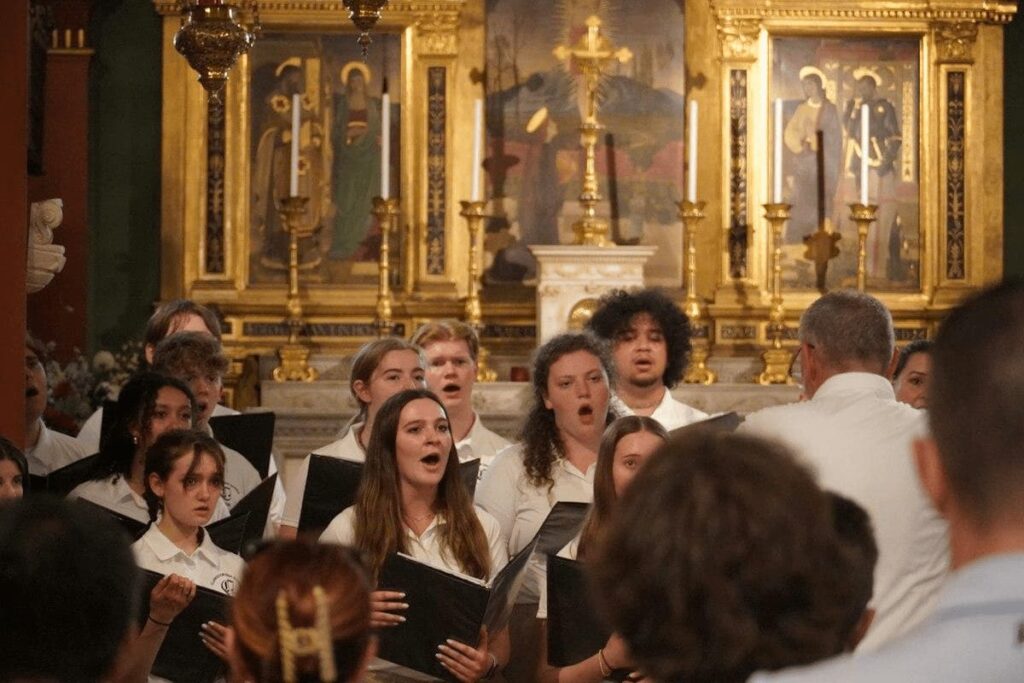
Few decisions shape the feel of a Sunday service as much as the choice of hymns. The right selection carries the congregation from praise to confession, from the reading of Scripture to the sending out. The wrong one leaves people mumbling through unfamiliar melodies or singing words that have nothing to do with the sermon. For worship leaders, organists and music directors, hymn selection is part theology, part pastoral care and part practical planning.
Here is a step-by-step approach that helps you build a service people can sing with conviction.
Start with the Readings and the Sermon
The strongest hymn lists grow out of the day’s Scripture. Ask the preacher for the texts and the main theme as early as possible, ideally two or three weeks ahead. Read the passages yourself and note key words and images: light, water, shepherd, harvest, forgiveness. Most hymnals include a scriptural index and a topical index that make it easy to find hymns built on the same passages.
A hymn does not need to repeat the sermon. It should echo, prepare or respond to it. A hymn of longing before a sermon on hope, for example, can open hearts better than one that states the conclusion in advance.
Follow the Shape of the Service
Each moment in the liturgy calls for a different kind of hymn. Thinking in terms of function keeps the service flowing.
| Point in the service | Purpose | Good choices |
| Opening / gathering | Call people together in praise | Strong, well-known hymns of adoration |
| Before the readings | Prepare to hear the Word | Prayers for illumination, quieter hymns |
| Response to the sermon | Reflect and commit | Hymns that mirror the sermon’s theme |
| Communion | Draw near in reflection | Meditative, slower hymns or chants |
| Sending / closing | Send people out with purpose | Confident hymns of mission and blessing |
Respect the Liturgical Calendar
Advent, Christmas, Epiphany, Lent, Easter and Pentecost each have their own musical character. Resist the urge to sing Christmas carols in early Advent; let the season of waiting do its work with hymns of expectation. Likewise, keep the great Alleluias for Easter so they land with full force. Ordinary Time is your chance to explore hymns on discipleship, creation and justice that may not fit elsewhere.
Balance the Familiar and the New
A congregation sings best when it knows the tune. A useful rule of thumb is that no more than one unfamiliar hymn should appear in a single service. When you introduce something new:
- Play the melody as a prelude or offertory the week before.
- Ask the choir or a soloist to sing the first verse alone.
- Use it several weeks in a row so it becomes familiar.
- Pair new words with a well-known tune of the same metre.
Check Key, Range and Tempo
Many older hymnals print tunes in keys that sit too high for today’s untrained voices. If the melody regularly rises above a D, consider transposing down a tone. Tempo matters just as much: a hymn played too slowly drags, while one rushed loses its words. Sing every hymn through aloud before Sunday and notice where you would naturally breathe.
Learn from How Other Fields Hold Attention
Worship is not entertainment, yet worship leaders can learn from any field that studies how people stay engaged over time. Concert promoters, educators, game designers and digital platforms all think carefully about pacing, variety and the moment someone decides to come back. Even an online venue such as bets io casino invests heavily in rhythm, familiar patterns and fresh surprises to keep its audience returning. The lesson for a music director is simple: a service needs a recognisable shape, a few moments of welcome novelty and a strong finish that people carry home with them.
Plan Ahead and Keep Records
Keep a simple spreadsheet of every hymn sung, the date and the occasion. Over a year it shows which hymns you overuse, which you have forgotten and which the congregation sings with real energy. Planning a full season at a time also gives the organist, choir and instrumentalists time to prepare.
Quick Checklist Before You Finalise the List
- Does each hymn connect to the readings, the season or the moment in the liturgy?
- Is there no more than one unfamiliar tune?
- Are the keys singable for an average congregation?
- Do the words reflect your church’s theology?
- Is there variety in tempo, mood and era?
- Have you checked copyright and licensing for projected or printed words?
Final Thoughts
Choosing hymns is an act of service to the people in the pews. When the words fit the Scripture, the music suits the voices and the order follows the movement of worship, the congregation stops thinking about the hymns and simply sings. That is the goal: music that disappears into prayer.